Level Uneven Concrete
Concrete Leveling in Vail, Arizona
Ask about lifting settled concrete around your property. Get a Free Estimate
Level Uneven Concrete
Ask about lifting settled concrete around your property. Get a Free Estimate
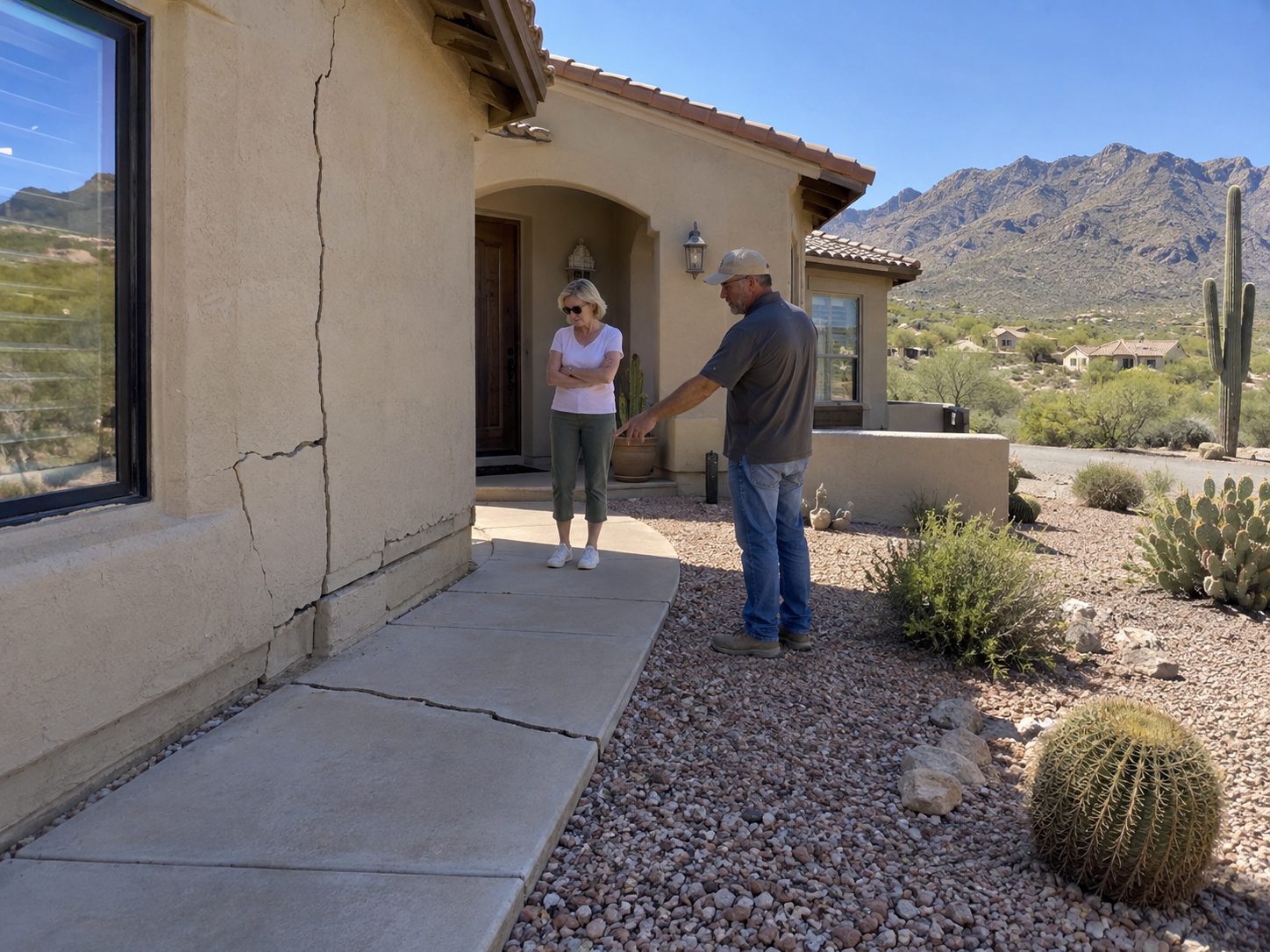
Concrete slabs can settle over time and leave raised edges, low spots, poor transitions, or areas where water collects. Around a home, that can affect patios, walkways, entry areas, and other flatwork. Sometimes the problem is mostly about comfort and appearance. In other situations, the changed elevation affects drainage or creates a noticeable trip point.
Our concrete leveling service focuses on determining whether a settled section can be lifted or corrected rather than automatically replacing the entire slab. The right approach depends on the condition of the concrete, the amount of settlement, what lies beneath it, access to the work area, and whether the slab has broken into sections that can still be moved predictably.
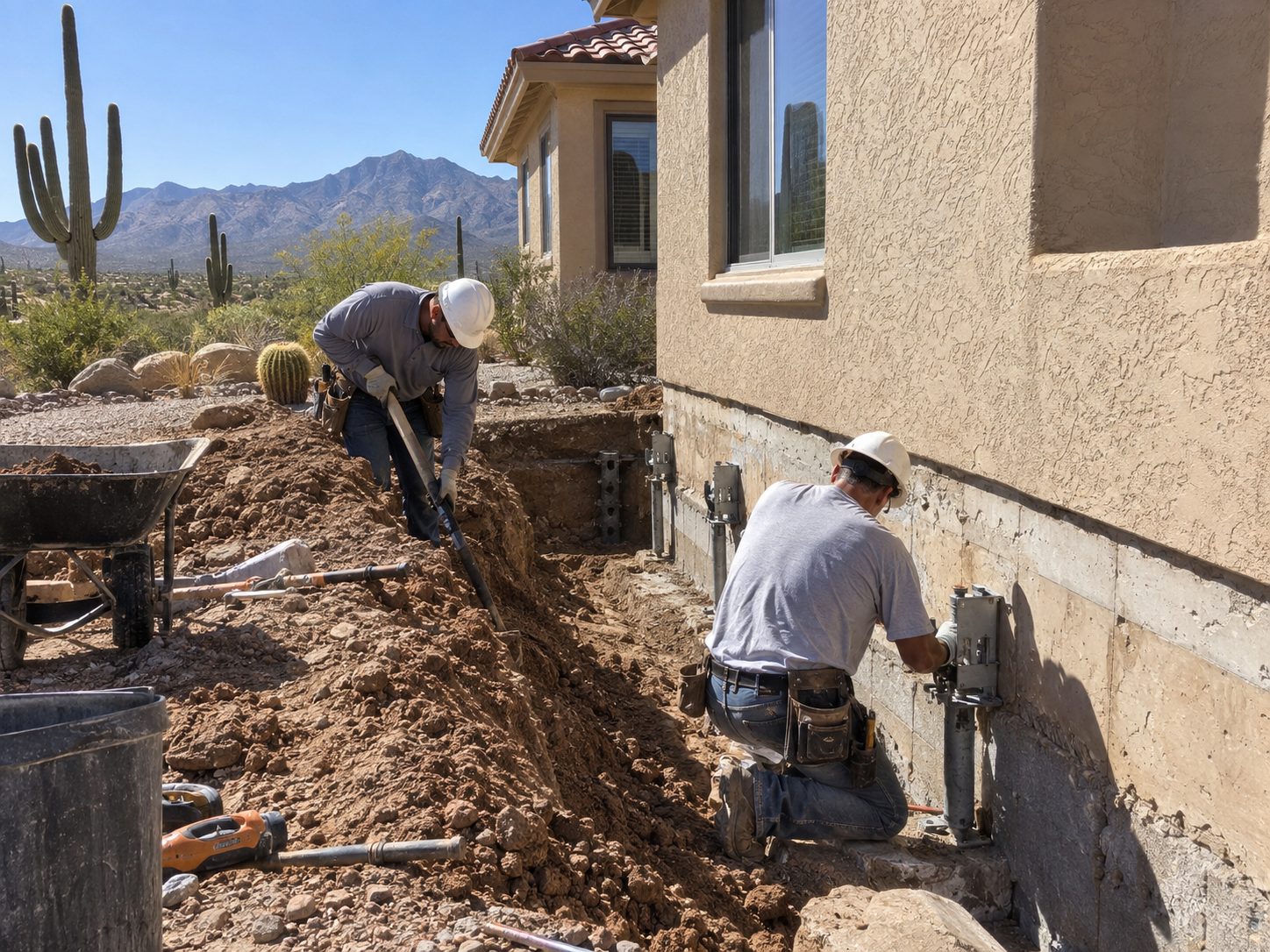
A slab that has dropped does not necessarily need complete removal. When the concrete remains in workable condition, leveling may restore a more useful elevation with less disruption than demolition and replacement. We look at the direction of settlement, cracking pattern, adjoining surfaces, drainage, and the desired finished height before recommending the work.
Settled walkway panels can leave uneven joints that are uncomfortable to cross and easy to notice. Leveling may improve transitions where individual sections have moved but remain structurally usable.
Patio slabs can develop low areas or slope differently as the supporting material changes. We evaluate whether lifting can improve the surface without creating new problems where the patio meets the home or surrounding hardscape.
Concrete near doors and entryways needs to meet surrounding surfaces at practical elevations. We consider thresholds, steps, drainage, and adjoining slabs before deciding how much correction is appropriate.
Settlement can change the path of rainwater and monsoon runoff. Leveling may help improve a concrete surface, although broader grading or drainage work may still be needed when water is coming from other parts of the property.
Slabs next to the house deserve special attention because their slope can influence where water travels. We assess both the concrete condition and its relationship to the foundation before recommending lifting.
| Service | Estimated Cost | Average |
|---|---|---|
| Small leveling project | $600-$1,800 | $1,100 |
| Multiple walkway or patio sections | $1,200-$3,500 | $2,200 |
| Larger concrete leveling project | $2,500-$6,000+ | $3,800 |
Planning ranges vary with slab size, access, number of affected sections, amount of lift, cracking, and site conditions. An on-site estimate is needed for actual pricing.
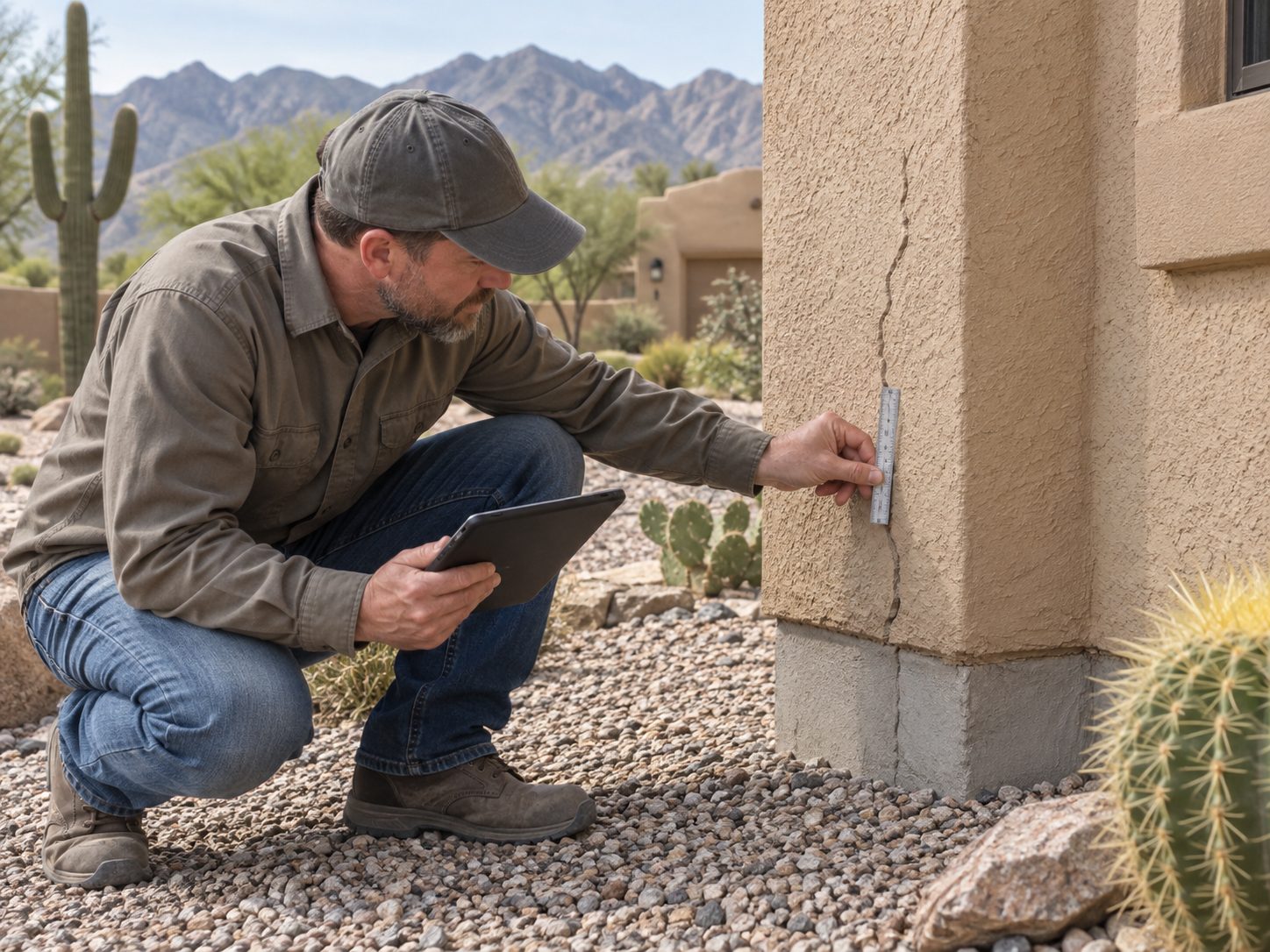
Lifting one slab can affect neighboring elevations, so we look at transitions and drainage before choosing a target height.
When existing concrete is suitable for leveling, we discuss that option before recommending more disruptive removal.
Concrete next to the house can influence drainage, so we consider how the slab interacts with the foundation.
Older or cracked concrete may improve substantially without becoming visually identical to newly poured flatwork.
Have a sunken patio, walkway, or slab? Ask whether leveling is a practical option.
Free — no obligations
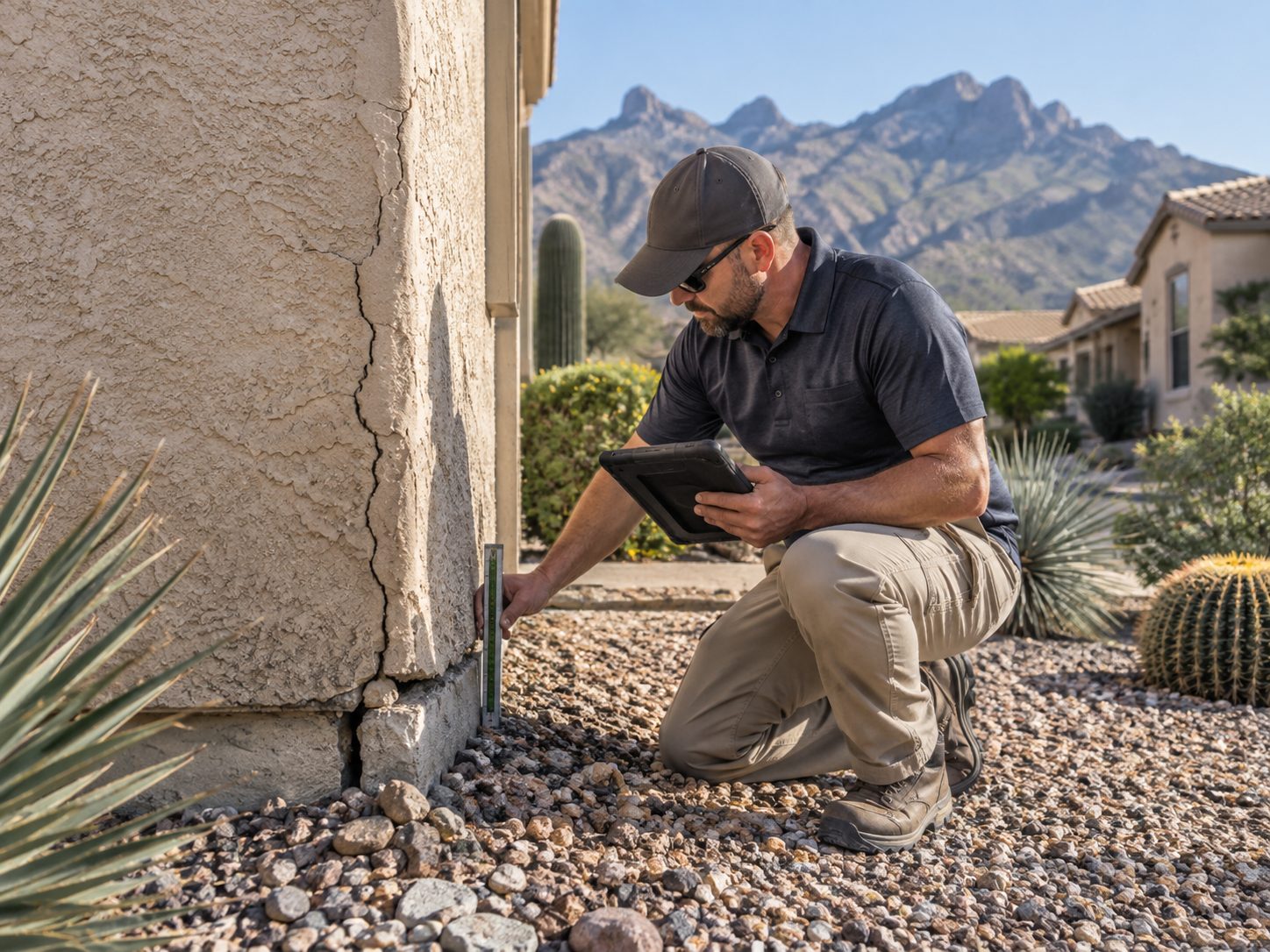
We identify low areas, cracks, transitions, and the amount of movement between neighboring sections.
We consider drainage, soil conditions, nearby foundations, and the surfaces the concrete needs to meet.
We determine appropriate lift points and realistic target elevations for the existing slab.
The slab is raised carefully while elevations and adjacent surfaces are monitored.
We check the finished surface and explain any remaining cracks, joints, or drainage considerations.